Friday, 13 Nov 2026
Speakers
-
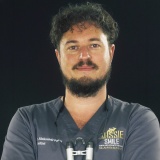 Dr Aleksandr Pavlov, UAE
Abstract
This round table explores a practical approach to identifying unknown dental implants when treatment records are unavailable. Participants will discuss how patient history, radiographic features, and clinical examination help narrow the search.
Key features include implant shape, thread design, connection geometry, and screw and abutment characteristics. The discussion will cover documentation, online implant databases, and current and historical manufacturer catalogues.
Through case-based discussion, participants will develop a systematic identification workflow and explore component selection when original parts are unavailable. Particular attention will be given to verification and the limitations of visual similarity and apparent component fit.
Learning Objectives
By the end of this session, participants will be able to:
- Discuss how patient history and treatment records support implant identification.
- Explain the key radiographic and clinical features used to distinguish implant systems.
- Describe the implant and prosthetic component characteristics to document.
- Demonstrate a systematic search using implant databases and manufacturer catalogues.
- Discuss the limitations of visual similarity and apparent component fit.
- Apply an identification workflow and recognise when further verification is needed.
Speakers
-
 Andrey Bachmago,
Abstract
The successful integration of digital technologies into daily dental practice requires more than simply adopting new equipment — it requires a structured understanding of how digital data can be collected, analyzed, and applied throughout the treatment process. This lecture presents a practical roadmap for clinicians seeking to improve treatment predictability through the effective use of 3D technologies.
During the lecture, participants will explore the key clinical, aesthetic, and functional records required for comprehensive diagnosis and treatment planning. The presentation will cover best practices for intraoral scanning, occlusal registration, and digital data acquisition, with a focus on minimizing errors and improving communication between the clinician and the dental laboratory.
The practical part of the lecture will take the form of a live demonstration in CAD software. Using the example of two implant-supported central incisors, the lecturer will demonstrate the stages of 3D modelling with DAS abutments. Participants will see how to define restoration contours, shape the emergence profile, support soft tissues, and evaluate and adjust tooth morphology in the digital model. At the end of the session, participants will have the opportunity to recreate the case themselves under the lecturer’s guidance.
Learning Objectives
- Understand essential clinical, aesthetic, and functional records for digital treatment planning.
- Apply effective intraoral scanning protocols.
- Recognize key factors affecting occlusal record accuracy.
- Interpret digital diagnostic data for predictable outcomes.
- Implement a structured digital implant prosthetic workflow.
Speakers
-
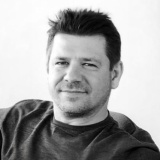 Markus Menczynski, Germany
Abstract
Modern clinics started years ago switching from conventional to intra oral impressions. Traditional workflows shifted over the years now towards digital and AI driven designs and guided surgery is now a norm.
A modern dental laboratory should have transitioned by now and adapted to full digital workflow to keep up.
In my lecture and round table sessions I will show my participants how to design screw retained crowns, bridges, abutments and all on x cases from intra oral scans using exocad and the excellent MPS-System (Multi-Platform Systems).
Learning Objectives
This lecture addresses key design features in exocad.
- Enhance knowledge of digital design principles
- Refine skills using simple and efficient workflows in exocad
- Optimize implant prosthetic workflows utilizing the MPS system
- Develop the ability to troubleshoot and resolve issues with intraoral scan data
Speakers
-
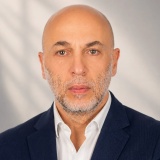 Christophe Ballard, France
Abstract
This presentation explores the evolution of dental zirconia, from its material properties and different generations to the balance between strength, translucency, and esthetics. It also examines how liquid ceramic systems can enhance color, texture, optical depth, and natural appearance through simplified surface characterization.
By combining material science with practical laboratory protocols, the presentation demonstrates how zirconia and liquid ceramic can work together to achieve predictable, efficient, and highly esthetic restorations.
Learning Objectives
By the end of this presentation, participants will be able to:
- Understand the evolution of dental zirconia and the characteristics of its different generations.
- Differentiate zirconia materials based on strength, translucency, and esthetic properties.
- Select the appropriate zirconia according to the clinical indication and desired outcome.
- Understand the principles of liquid ceramic systems for surface characterization and esthetic enhancement.
- Apply practical protocols combining zirconia and liquid ceramic to achieve predictable, natural-looking, and efficient restorations.
No programs of this type on this day